How Intentional Choices Turned Early Jobs Into Expansive Wealth
Vic Keller’s journey toward substantial wealth began in places that rarely feature in traditional entrepreneurial narratives, with his first job at a McDonald’s at age fourteen and a series of hands on blue collar roles that instilled a deep respect for hard work, accountability, and customer experience. Those formative years created a practical understanding of how businesses actually operate on the ground, shaping a mindset that would later prove invaluable when building companies of his own. After earning a Bachelor of Business Administration from Texas Tech University, he stepped into commercial banking at JPMorgan Chase, learning to evaluate risk, cash flow, and capital structure from inside one of the world’s leading financial institutions. That vantage point allowed a clear realization to emerge, the true excitement and impact lay not in measuring other people’s ventures but in creating them. Leaving the comfort of corporate banking, he moved into a leadership role at Wynn’s Automotive as vice president of sales, managing national accounts and gaining a panoramic view of the automotive ecosystem, from OEM relationships to dealership economics. This blend of front line experience, financial acumen, and enterprise level sales perspective became the foundation for his first ventures, including carXperience, ZAK Automotive, and other automotive related startups that he systematically scaled. By focusing on delivering measurable value to partners and aligning every business with a clear mission and enterprise value, he positioned several companies to be acquired by Warren Buffett’s Berkshire Hathaway, transforming years of focused effort into significant liquidity events while retaining a long term owner operator mindset.
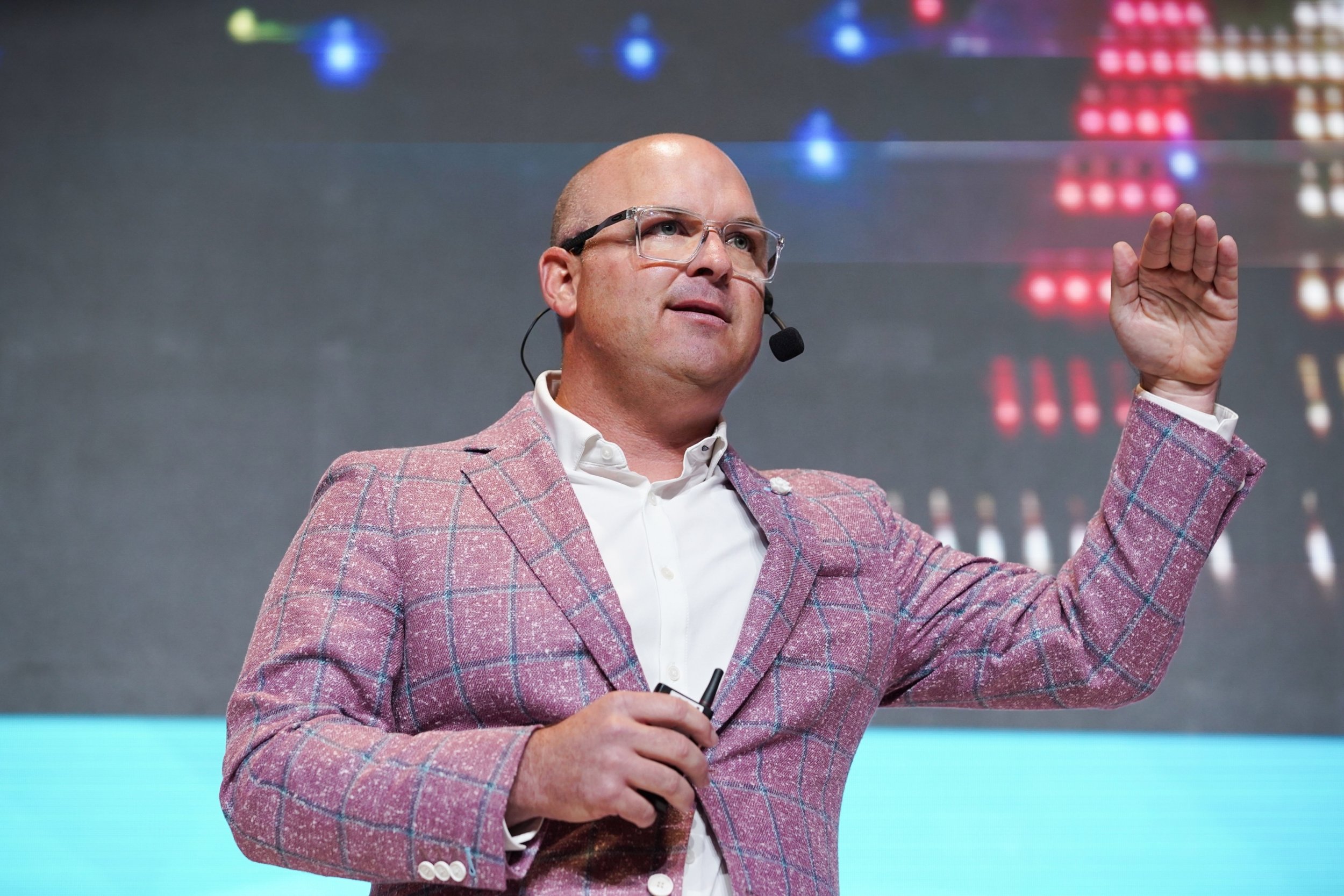
Keller’s wealth did not come from a single lucky moment but from compounding intentional decisions across decades, from founding over a dozen companies to leading seventeen startups and achieving nine exits. He concentrated on sectors where operational excellence and service quality could meaningfully differentiate an offering, such as automotive services, manufacturing, and later outdoor and consumer brands, continuously reinvesting both capital and knowledge into each new venture. The sale of the ZAK Automotive enterprise to Berkshire Hathaway in 2015 exemplified this approach, reflecting a business built carefully enough to attract one of the world’s most respected long term investors as a partner. Today, through KLV Capital and Experience Ventures, he allocates capital and operational expertise into growth oriented companies, leveraging his track record to structure deals that align founders, teams, and investors around sustainable value creation rather than short term wins. This disciplined path from hourly roles to multi company ownership underscores how deliberate career choices, when guided by curiosity, resilience, and a commitment to building strong teams, can evolve into a robust business portfolio and enduring financial success.
Turning Near Failure and High Stakes Pressure Into Strategic Advantage
Behind Vic Keller’s polished track record of exits and board seats lies a series of demanding moments that tested both conviction and creativity. One defining episode occurred early in his entrepreneurial career, when roughly 1600 tires went flat overnight, threatening the viability of a young business and putting hard earned customer relationships at risk. Rather than treating the crisis as a setback, he approached it as an inflection point, taking ownership of the problem, rebuilding the product, and doubling down on delivering for clients. That choice crystallized a leadership philosophy centered on accountability, rapid problem solving, and transparent communication, principles that would later become hallmarks of the companies he built. Another pivotal test emerged when regulatory scrutiny arrived unexpectedly in the form of an FAA visit related to a shipment issue, a scenario that could easily fracture partnerships and reputations. Keller responded by prioritizing loyalty, responsibility, and long term trust, reinforcing his view that relationships are assets that must be protected even when operational pressures spike. These episodes demonstrate how he treated challenges as laboratories for refining systems, culture, and personal character, ultimately strengthening the businesses rather than allowing external pressure to define their trajectories.
Over time, Keller developed frameworks to ensure that adversity would not merely be survived but harnessed. He emphasizes building companies that do not depend solely on the founder’s energy but instead operate through robust processes, clear roles, and aligned incentives, a philosophy he describes as deleveraging the founder. This mindset emerged from the realization that entrepreneurship built on adrenaline and improvisation alone can falter when markets shift or when the founder cannot be everywhere at once. By institutionalizing lessons from crises, he created organizations that are resilient to operational shocks, whether they involve product failures, regulatory questions, or macroeconomic turbulence. His commitment to continuous learning also plays a decisive role in overcoming obstacles, from reading business literature early in his life, including introductions to investors like Warren Buffett, to remaining a student of leadership, culture, and strategy even after major exits. The cumulative effect is an entrepreneurial profile where setbacks serve as fuel for more thoughtful scaling, not as punctuation marks on otherwise linear success.
Another dimension of the challenges Keller navigated involves the emotional and relational complexity of selling companies that have been built over years. He has spoken about the reality that when a business is sold, relationships sometimes transition or fade, requiring a mature understanding that value creation can come with personal tradeoffs. Yet those experiences did not diminish his enthusiasm for building, they refined his perspective on aligning strategic exits with the well being of teams, partners, and customers. By combining humility, empathy, and passion with rigorous financial and operational discipline, he repeatedly turned demanding situations into platforms for broader impact, reinforcing a career narrative where challenges consistently sharpen, rather than blunt, entrepreneurial ambition.
Scaling Vision, Investing in Others, and Shaping the Next Wave of Builders
Looking ahead, Vic Keller’s focus extends well beyond his own portfolio metrics, centering on multiplying the capabilities of other entrepreneurs and operators. Through KLV Capital and Experience Ventures, he backs growth oriented companies with both capital and deeply practical operational guidance, engaging as a partner who has personally navigated the journey from idea to acquisition multiple times. His work increasingly involves helping founders design businesses that can scale sustainably, emphasizing systems, talent development, and strategic clarity as non negotiable pillars. Keller’s EPIC Community and other mentorship platforms extend this mission further, creating environments where ambitious professionals can learn from real world playbooks instead of abstract theory. He encourages leaders to pursue excellence while maintaining balance, integrating faith, family, and adventure into a life design that resists the notion that success must come at the expense of personal fulfillment. That integrated vision positions his future impact not just in the ventures he leads or funds, but in the thousands of careers and companies influenced by his frameworks and example.
For future generations of entrepreneurs, Keller’s message is both practical and aspirational, anchored in the conviction that extraordinary outcomes are accessible to those willing to combine relentless work ethic with integrity, curiosity, and a commitment to others. His own story travels from early shifts at McDonald’s and summers in HVAC to leading seventeen companies, owning or founding sixteen businesses, and achieving nine exits, including multiple transactions with Berkshire Hathaway, yet he consistently underscores that the real metric of success lies in the people developed along the way. He advocates for building companies where culture is a strategic asset, where humility and empathy sit alongside ambition, and where leaders invest in the continuous education and growth of their teams. Keller also highlights the importance of faith and purpose, viewing entrepreneurship as a calling to serve customers, communities, and colleagues, not merely as a route to financial gain. His board roles with organizations like Acts 29 and involvement in charitable initiatives underscore this integrated approach, blending business acumen with a desire to contribute to something larger than any single enterprise. As he continues to grow KLV Capital, Experience Ventures, and a diverse portfolio that spans manufacturing, tech, outdoor brands, and service businesses, the emphasis remains on creating durable platforms where new leaders can experiment, learn, and ultimately surpass the achievements of those who came before them. For emerging founders observing this trajectory, the enduring takeaway is clear, starting small, thinking long term, owning mistakes, and building others can transform a modest beginning into a far reaching entrepreneurial legacy with positive ripple effects across industries and generations.