Willie Smits: Restoring Rainforests. Innovative Conservation and Community Empowerment
Roots in Conservation
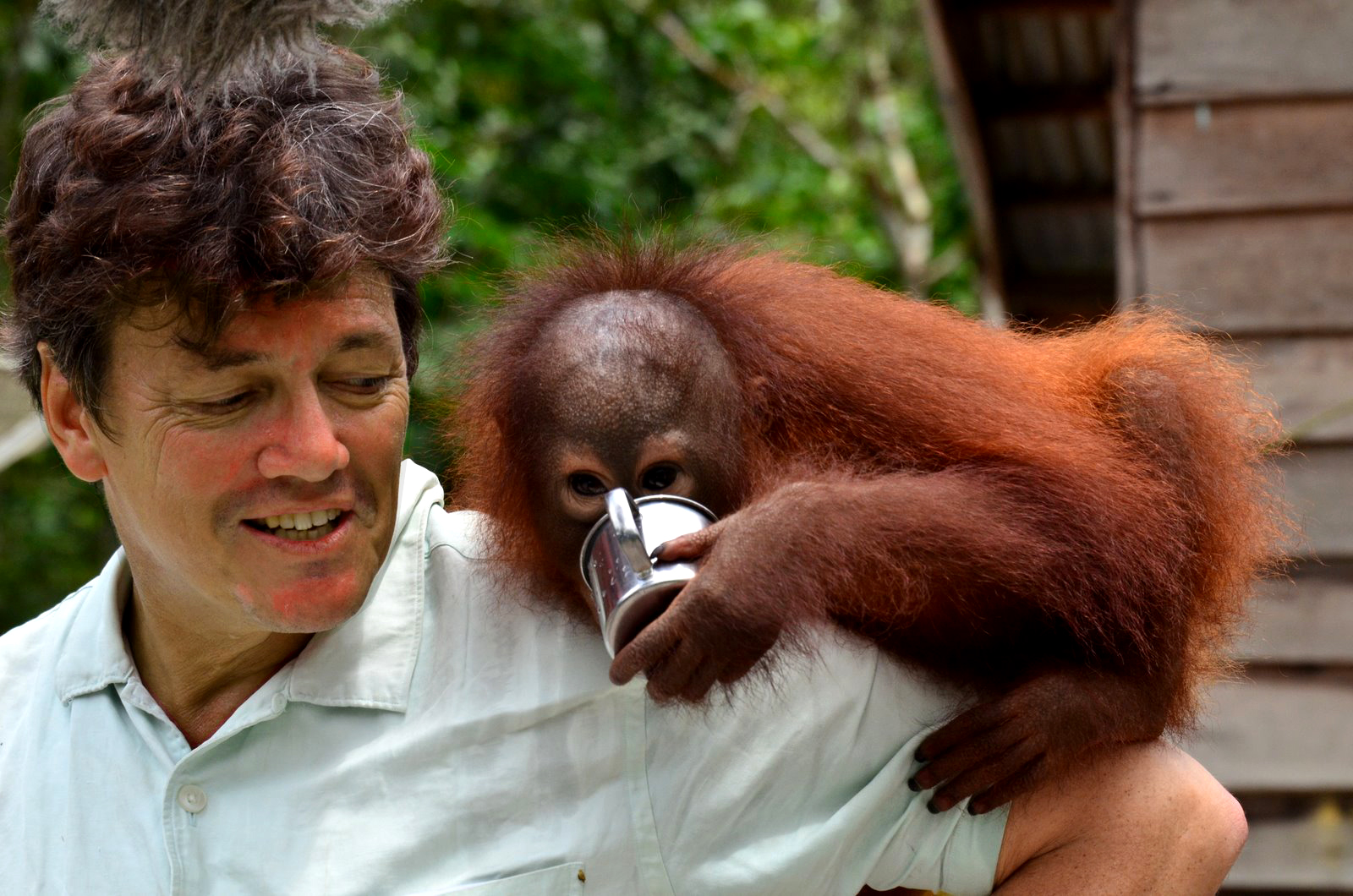
Willie Smits arrived in Indonesia in 1980 as a young forester fresh from Wageningen University, drawn by the lush rainforests and intricate biodiversity of Borneo. His initial role at the Sepilok Orangutan Rehabilitation Center in Sabah ignited a passion for primate conservation, where he studied the complex social behaviors of orangutans and the threats posed by habitat loss. This hands on experience revealed the interconnectedness of forest ecosystems, where deforestation not only endangered apes but also disrupted water cycles and soil fertility for human inhabitants. Smits’s doctoral research on mycorrhizal fungi, essential for tree health, equipped him with scientific tools to tackle restoration challenges. By 1991, he founded the Borneo Orangutan Survival Foundation, focusing on rescuing orphaned orangutans from the pet trade and illegal logging. His approach emphasized rehabilitation through forest schools, mimicking natural learning environments to prepare animals for wild release. Smits’s early efforts rescued hundreds, but he recognized that individual saves were insufficient without addressing root causes like poverty driven exploitation. This insight led to community engagement, training locals in sustainable harvesting to reduce reliance on timber. In 1999, he established the Masarang Foundation, expanding into integrated conservation that combined orangutan protection with human development. Samboja Lestari, launched in 2001 on 2000 hectares of barren grassland scarred by mining and fires, became his flagship project. Smits pioneered agroforestry, planting over 1000 native species using mycorrhizal inoculants to accelerate growth, transforming the site into a self sustaining forest within a decade. This man made ecosystem now hosts rehabilitated orangutans, diverse wildlife, and provides clean water to 30,000 people, demonstrating how restoration could reverse desertification. His expertise in microbiology informed compost production from organic waste, enriching soils and creating zero waste systems. Smits’s model empowered migrants by granting land rights for agroforestry plots, where they grew crops under canopy trees, generating income while protecting biodiversity. This participatory strategy built trust, turning former loggers into guardians. By 2010, Samboja Lestari had increased local rainfall by 30 percent, mitigated floods, and supported 500 jobs, proving ecological revival could drive economic stability. Smits’s international advocacy, through TED talks and partnerships with NGOs, spread these techniques to Sulawesi, where Masarang’s palm sugar initiatives replaced destructive monocultures. His development of low temperature evaporation for Arenga palm sugar preserved nutrients, creating a premium product that fetched higher markets and funded further planting. Smits’s holistic vision integrated education, establishing schools within restored areas to teach sustainable practices to children. His work influenced Indonesian policy, advising on forest management and earning recognition as a senior fellow at Ashoka for social innovation. Through relentless fieldwork, Smits turned science into action, showing how targeted restoration could heal both nature and societies. His legacy began here, inspiring a generation to view conservation as collaborative enterprise rather than isolated effort. The tangible outcomes, from revived species to empowered villages, underscored his belief in nature’s resilience when supported by human ingenuity. Smits’s journey from researcher to ecosystem architect laid the groundwork for scalable models that continue to flourish, offering hope for tropical forests worldwide.
The establishment of Samboja Lestari marked a turning point, as Smits’s team planted millions of trees, recreating layered canopies that attracted birds, insects, and mammals essential for pollination and seed dispersal. This biodiversity boost stabilized the microclimate, drawing ecotourists to the site and generating revenue for maintenance. Smits’s focus on indigenous species ensured long term viability, avoiding invasive risks while supporting traditional knowledge from Dayak communities. His integration of water harvesting systems captured rainwater, replenishing aquifers depleted by prior exploitation. These innovations not only revived the landscape but also enhanced food security, with agroforestry yields surpassing conventional farming. Smits’s mentorship programs trained locals in grafting and pest management, building self sufficient teams that sustained operations. The project’s success attracted global funding, allowing expansion to 5000 hectares and replication in other degraded zones. His emphasis on gender inclusion empowered women in sugar palm cooperatives, increasing household incomes and decision making roles. Smits’s documentation through satellite monitoring provided evidence of carbon sequestration, positioning Samboja as a model for climate mitigation. This phase solidified his reputation, encouraging international collaborations that amplified reach.
Smits’s expansion to Sulawesi in the early 2000s addressed unique challenges like volcanic soils, adapting mycorrhizal techniques to restore Minahasa forests. Masarang’s palm sugar factory there processed sap into organic products, providing alternatives to logging and palm oil expansion. This enterprise created 200 jobs and planted 1.2 million trees, improving air quality and reducing erosion. Smits’s community led approach involved village cooperatives, ensuring profits recirculated locally for education and health. His innovations in solar drying preserved sugar quality, opening export markets and funding scholarships. These efforts not only preserved habitats but also preserved cultural practices tied to forests. Smits’s global workshops shared blueprints, influencing projects in Africa and Latin America. His commitment to monitoring via apps tracked regrowth, providing data for adaptive management. Through these initiatives, Smits demonstrated conservation’s economic potential, inspiring entrepreneurs to invest in green ventures.
Smits’s early advocacy extended to policy, collaborating with Indonesian ministries to promote agroforestry incentives. His establishment of ecotourism lodges in restored areas generated sustainable income, attracting visitors eager to learn restoration techniques. These ventures funded orangutan rehabilitation, closing the loop between protection and prosperity. Smits’s vision transformed barren lands into models of harmony, proving integrated approaches yield enduring benefits.
Willie Smits’s pioneering of sustainable palm sugar production through Masarang transformed a traditional resource into a cornerstone of conservation, beginning with the 2007 factory in North Sulawesi that processed Arenga pinnata sap without chemicals. This low temperature method retained vitamins, creating a nutrient rich sweetener that commanded premium prices in health conscious markets. Smits’s expertise in microbiology optimized fermentation, yielding byproducts like biogas for energy, achieving zero waste and reducing reliance on fossil fuels. The initiative empowered 500 families by training them in tapping and processing, providing steady income that discouraged illegal logging. Expansion to multiple sites planted millions of sugar palms, which stabilized slopes against landslides and enriched soils with deep roots. Smits’s model integrated beekeeping and fish ponds under canopies, diversifying livelihoods while enhancing pollination and water quality. This agroecological system increased biodiversity, with bird populations rising 40 percent in project areas. His partnerships with cooperatives ensured fair trade certification, boosting exports to Europe and funding reforestation. Smits’s focus on women led groups addressed gender gaps, with female run enterprises gaining market access and leadership skills. The factory’s success replicated in Borneo, where it supported Samboja Lestari’s growth, demonstrating scalability. Smits’s advocacy secured government adoption, with palm sugar hubs in eight provinces creating thousands of jobs and sequestering carbon equivalent to 200,000 trees annually. His innovations extended to bioethanol production from sap, offering clean fuel alternatives and reducing emissions. Community education programs taught sustainable harvesting, preserving cultural knowledge while adapting to climate shifts. Smits’s global outreach, through TEDx and UN forums, shared blueprints, influencing projects in Papua New Guinea and Brazil. The tangible impacts included improved nutrition from palm products and restored watersheds benefiting 50,000 residents. His vision of forests as economic engines challenged monoculture dominance, promoting polycultures that resilient against pests. Smits’s monitoring via drones tracked health, adjusting practices for optimal yields. This multifaceted approach not only conserved habitats but revitalized communities, proving economic viability of green innovation. His work inspired hybrid models worldwide, where local resources fuel restoration. Smits’s persistence turned challenges into opportunities, fostering ecosystems where people and nature thrive symbiotically. The ripple effects reached education, with scholarships from sugar profits enabling youth to study environmental science. His legacy in this domain continues to guide sustainable agriculture, offering replicable paths to prosperity.
The broader evolution of Smits’s conservation strategy encompassed wildlife rehabilitation, where Masarang’s centers rescued over 1300 orangutans, using enriched enclosures to teach survival skills before release into protected forests. This process, informed by behavioral studies, achieved 80 percent success rates, bolstering wild populations. Smits’s integration of veterinary care with habitat restoration ensured holistic recovery, addressing health issues from habitat loss. His establishment of sun bear sanctuaries complemented orangutan efforts, protecting another endangered species through similar community models. Expansion to gibbon protection involved acoustic monitoring to map territories, preventing encroachment. Smits’s collaborations with international zoos funded enclosures, while local training programs built veterinary capacity. These initiatives not only saved individuals but preserved genetic diversity, vital for species resilience. Smits’s advocacy for anti poaching patrols, staffed by former hunters turned rangers, reduced threats by 70 percent in core areas. His use of GIS mapping optimized patrol routes, enhancing efficiency. Community benefits included ecotourism revenue from guided wildlife tours, which educated visitors on coexistence. Smits’s youth camps taught tracking and ethics, cultivating future stewards. The positive outcomes extended to tourism economies, with lodges employing locals and funding patrols. His expertise influenced regional laws, mandating wildlife corridors in development plans. Smits’s personal involvement in releases celebrated milestones, reinforcing community pride. This comprehensive wildlife work underscored his belief in interconnected conservation, where animal welfare uplifts human prospects. Global replications, like in Sumatra, adopted his protocols, amplifying impact. Smits’s documentation through films reached millions, shifting public perceptions toward supportive policies. His resilience in navigating bureaucratic hurdles ensured continuity, inspiring perseverance in field workers. Through these layers, Smits created sanctuaries of hope, where rescued animals symbolize restored balance. The enduring effects include thriving populations and empowered guardians, proving dedicated effort yields ecological harmony.

Smits’s influence on policy and education grew through Masarang’s advocacy, shaping Indonesia’s national reforestation strategies with agroforestry incentives. His workshops trained 10,000 farmers in sustainable techniques, boosting yields and reducing chemical use. Collaborations with universities developed curricula on restoration ecology, preparing students for green careers. These efforts not only scaled local successes but also built institutional support, ensuring long term funding. Smits’s transparent reporting on carbon credits attracted investors, funding further expansions. His model of community owned forests empowered indigenous groups, preserving traditional stewardship while modernizing practices.
The global dissemination of Smits’s methods, via online platforms and summits, inspired projects in 20 countries, adapting palm agroforestry to local contexts like acacia in Africa. His foundation’s seed banks supplied resilient varieties, aiding drought prone areas. Smits’s emphasis on monitoring ensured adaptive learning, refining techniques for varied climates. These international adaptations highlighted the universality of his approach, fostering cross cultural exchanges. His work with NGOs standardized best practices, amplifying collective impact on biodiversity hotspots.
Smits’s philosophy integrates science, community, and innovation, viewing restoration as collaborative renewal. His projects exemplify how expertise can heal landscapes and lives, guiding future conservationists toward sustainable futures.