Blake Mycoskie: Building a Legacy of Purpose Through TOMS Social Impact
From Traveler to Entrepreneur
Blake Mycoskie’s journey into entrepreneurship began in the vibrant college scene of Nashville, Tennessee, where he launched his first venture, a campus laundry service that streamlined operations for students across multiple universities. This early success, sold shortly after starting, showcased his knack for spotting everyday inefficiencies and turning them into practical solutions, a trait that would define his future endeavors. Graduating with a degree in philosophy from Middle Tennessee State University, Mycoskie’s curiosity led him to diverse experiences, including competing on the reality show The Amazing Race, which fueled his love for travel and global connections. These adventures honed his ability to adapt and innovate under pressure, skills he later applied to business challenges. In 2002, he co founded Easy Laundry, further refining his operational expertise before pivoting to an outdoor media company that targeted billboard advertising to travelers. This venture expanded his understanding of branding and consumer engagement, emphasizing storytelling as a tool for connection. Mycoskie’s path took a transformative turn during a 2006 trip to Argentina, where he encountered children walking barefoot to school, a sight that sparked deep reflection on how simple products could address profound needs. Inspired by local alpargata shoes, comfortable and stylish espadrilles worn by gauchos, he envisioned a business that combined fashion with philanthropy. Returning to Venice Beach, California, he founded TOMS Shoes with a modest investment, focusing on importing and customizing these shoes for the American market. The core innovation, the One for One model, promised that for every pair sold, a new pair would be given to a child in need, directly tying consumer purchases to tangible impact. This approach resonated immediately, as early customers embraced the idea of stylish footwear that supported a cause, leading to rapid word of mouth growth without heavy marketing spends. Mycoskie’s hands on role in design and distribution ensured quality, while partnerships with nonprofits like Friends of the Children facilitated efficient giving trips to deliver shoes in regions lacking basic foot protection. His emphasis on transparency, sharing stories of recipients through blogs and events, built trust and loyalty, turning buyers into advocates. As TOMS expanded, Mycoskie navigated supply chain complexities, sourcing sustainable materials and scaling production ethically, which set standards for the footwear industry. This period established him as a pioneer in conscious capitalism, proving that profitability and purpose could coexist, influencing startups to prioritize social missions from inception. Mycoskie’s philosophy, drawn from personal travels, viewed business as a vehicle for empowerment, encouraging entrepreneurs to seek opportunities where commerce meets compassion. The company’s growth to multimillion dollar revenues within years validated his vision, while expansions into online sales democratized access, reaching urban and rural consumers alike. His commitment to iterative improvement, gathering feedback from giving partners, refined the model for maximum effectiveness, ensuring donations aligned with local needs like school attendance and health. Mycoskie’s early leadership fostered a company culture of innovation and giving, where employees participated in distribution trips, strengthening internal morale and external impact. This foundation not only propelled TOMS forward but also sparked a movement, inspiring brands to embed giving into their DNA. Through relentless focus on authenticity, Mycoskie transformed a simple shoe into a symbol of global change, demonstrating how one idea could ripple across industries and lives. His expertise in blending aesthetics with altruism created a blueprint for sustainable enterprise, motivating a new generation to build businesses that uplift communities worldwide.
The initial launch of TOMS in 2006 marked a pivotal moment in Mycoskie’s career, as the brand quickly gained traction through grassroots enthusiasm and celebrity endorsements. Sales at pop up shops and online platforms surged, with the alpargata’s casual appeal fitting seamlessly into everyday wardrobes. Mycoskie’s decision to host giving trips for customers allowed them to witness the impact firsthand, forging emotional bonds that amplified brand loyalty. This experiential marketing differentiated TOMS from competitors, emphasizing stories over specifications. As production scaled, he prioritized fair labor practices, partnering with factories that upheld worker rights, which enhanced the company’s ethical reputation. The One for One model’s simplicity empowered consumers to feel like active participants in change, boosting repeat purchases and referrals. Mycoskie’s personal involvement in product development, from color variations to fit adjustments, ensured the shoes remained fashionable, attracting a broad demographic. Early challenges, like logistics in remote deliveries, were met with adaptive strategies, such as local manufacturing to reduce costs and environmental footprint. These efforts not only sustained growth but also inspired industry peers to explore similar integrations of commerce and charity. Mycoskie’s vision extended to education, donating shoes to support school uniforms in developing areas, directly aiding children’s access to learning. His transparent reporting on donation numbers built credibility, encouraging accountability in social enterprises. Through these foundational steps, TOMS became a case study in purpose driven success, influencing how brands communicate value beyond price.
Mycoskie’s expansion of the One for One model beyond shoes exemplified his forward thinking, launching TOMS Eyewear in 2011 to address vision care. For every pair sold, sight restoring services were provided, partnering with organizations to deliver surgeries and glasses in underserved communities. This diversification broadened impact, reaching millions unable to afford basic eye care, while maintaining the core giving principle. Mycoskie’s research into global health needs informed these choices, ensuring donations targeted high need areas like rural Asia and Africa. The eyewear line’s stylish designs appealed to fashion conscious buyers, sustaining commercial viability. His approach to scaling philanthropy involved rigorous evaluation, collaborating with experts to measure outcomes like improved productivity from better vision. These initiatives not only enhanced lives but also elevated TOMS as a multifaceted giver, inspiring cross sector partnerships. Mycoskie’s commitment to innovation kept the brand relevant, adapting to consumer trends while upholding social goals.
The introduction of TOMS Coffee in 2014 further diversified the portfolio, with each bag sold funding clean water projects through Water.org. Mycoskie’s travels to coffee producing regions highlighted water scarcity’s toll on communities, prompting this venture. Ethical sourcing ensured fair wages for farmers, creating economic upliftment at origin. This expansion reinforced the One for One ethos across categories, demonstrating versatility in social impact. Mycoskie’s emphasis on storytelling through packaging and events connected buyers to beneficiaries, deepening engagement.
Blake Mycoskie’s stewardship of TOMS during its explosive growth phase in the late 2000s highlighted his adeptness at scaling a socially conscious brand while preserving its core mission. As sales skyrocketed to over a million pairs annually, he invested in robust supply chains that balanced speed with sustainability, using recycled materials to minimize environmental harm. Mycoskie’s focus on community involvement led to the creation of giving summits, where stakeholders collaborated on refining distribution strategies for maximum effectiveness. These gatherings not only optimized shoe deliveries but also sparked ideas for ancillary programs, like hygiene education alongside donations. His decision to reinvest profits into impact measurement tools allowed TOMS to track long term benefits, such as increased school attendance among recipients, providing data that validated the model’s efficacy. Mycoskie’s personal brand as a relatable founder, sharing travel anecdotes and impact stories via social media, cultivated a devoted following that propelled organic growth. The 2009 acquisition by Bain Capital injected capital for global expansion, enabling stores in Europe and Asia while maintaining the giving commitment. Mycoskie navigated this transition by embedding social metrics into investor reports, proving purpose enhanced profitability. His expansion into apparel maintained the One for One spirit, donating items to disaster relief efforts, which broadened reach during crises. Mycoskie’s advocacy for conscious consumerism influenced policy, testifying before Congress on ethical business practices. Through TOMS University, he trained employees on social entrepreneurship, fostering a culture of innovation that permeated operations. The brand’s collaborations with artists for limited editions infused creativity, attracting younger demographics while funding creative programs for underprivileged youth. Mycoskie’s resilience in addressing critiques, like evolving from direct giving to community grants, demonstrated adaptability, ensuring sustained relevance. His book Start Something That Matters became a manifesto for aspiring changemakers, outlining steps to launch purpose driven ventures. These multifaceted efforts solidified TOMS as a benchmark for blending commerce with compassion, inspiring a wave of startups to prioritize social outcomes. Mycoskie’s expertise in authentic storytelling turned customers into partners, creating a virtuous cycle of purchase and impact. As TOMS matured, he championed diversity in hiring, reflecting the global communities served, which enriched perspectives and innovation. His vision for holistic giving extended to mental health, partnering with organizations for bullying prevention kits distributed with shoes. Mycoskie’s global footprint, reaching over 75 countries, underscored the scalability of ethical enterprise, motivating leaders to view business as a force for equity. Through persistent evolution, he transformed TOMS from a shoe company into a movement, proving that individual vision can catalyze widespread positive change.
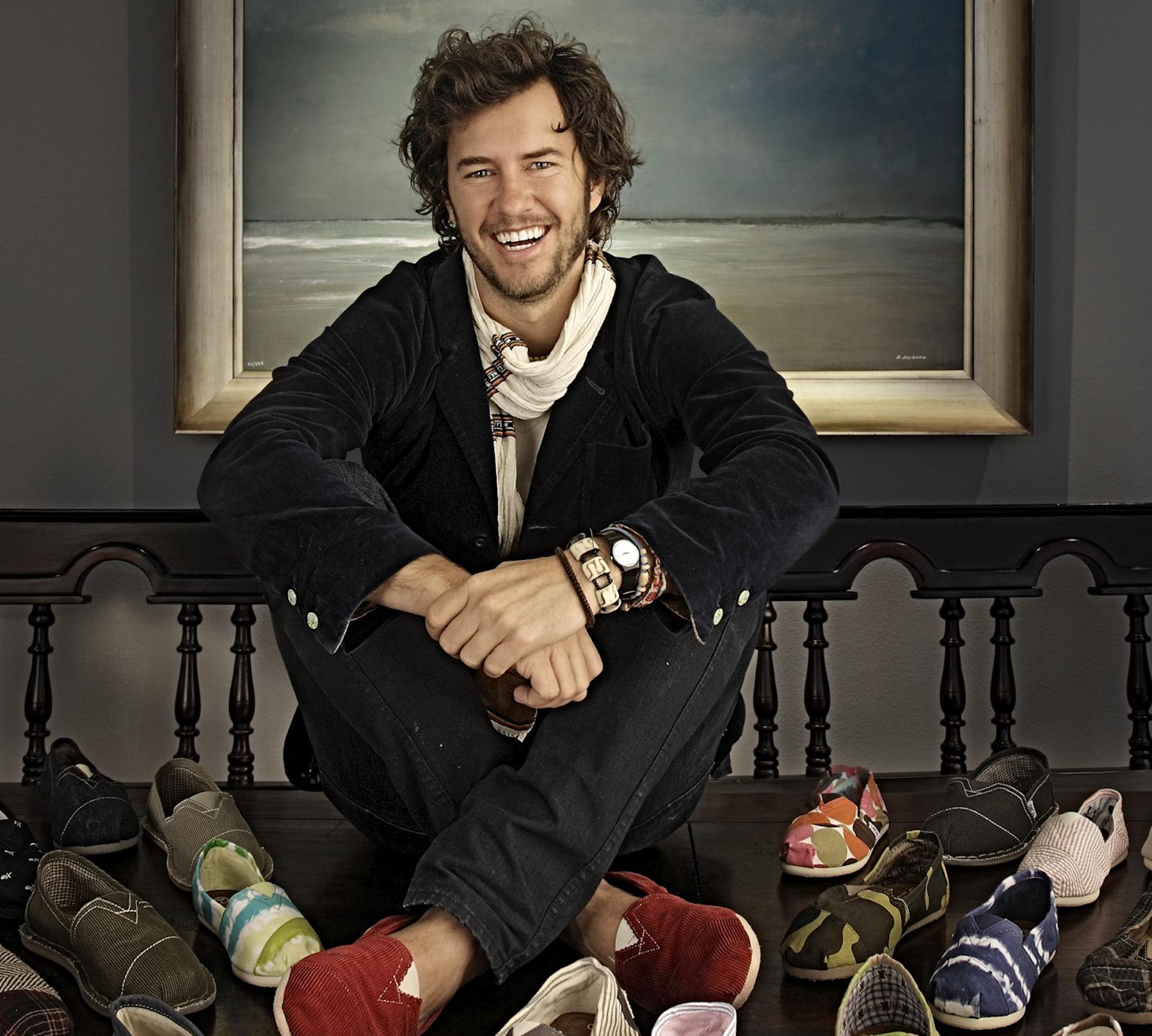
The evolution of TOMS under Mycoskie’s guidance included strategic pivots that amplified long term sustainability, such as shifting a portion of profits to grassroots initiatives in 2019. This adjustment empowered local leaders to address community specific needs, from education to economic development, fostering self reliance. Mycoskie’s involvement in the TOMS Social Entrepreneurship Fund invested in aligned startups, nurturing a ecosystem of purpose driven companies. His emphasis on transparency through annual impact reports built stakeholder trust, detailing metrics like lives touched and economic multipliers. These reports influenced industry standards, encouraging peers to adopt similar accountability. Mycoskie’s personal philanthropy, including board roles with nonprofits, extended his reach beyond TOMS, supporting causes like AIDS research through amfAR. His co founding of Madefor in 2018 introduced science backed wellness programs, helping individuals build resilience through habit forming challenges. This venture reflected his belief in personal growth as foundational to broader impact, offering subscriptions that funded community wellness. Mycoskie’s advocacy for psychedelics research in therapeutic contexts aimed to advance mental health treatments, partnering with experts for ethical exploration. These diverse pursuits showcased his versatility, applying entrepreneurial principles to health and innovation. Through speaking engagements at forums like the World Economic Forum, Mycoskie shared insights on conscious capitalism, inspiring executives to integrate giving. His net worth, channeled into ventures like the Mycoskie Foundation, supported education and entrepreneurship in underserved areas. Mycoskie’s lifestyle brand expansions, like TOMS Bags funding safe birth kits, addressed maternal health, partnering with organizations to deliver essentials in remote regions. This comprehensive approach not only sustained TOMS’s momentum but also positioned Mycoskie as a thought leader, influencing curricula in business schools worldwide. His commitment to work life balance, promoting flexible policies at TOMS, enhanced employee well being, setting examples for corporate cultures. Mycoskie’s global travels continued to inform strategies, ensuring initiatives remained culturally sensitive and effective. Through these layers, his expertise created a legacy of multifaceted giving, proving business could be a perpetual engine for good.
Mycoskie’s influence rippled into the fashion industry, where TOMS‘s success prompted brands to adopt hybrid models blending style with social missions. Collaborations with designers for cause oriented collections raised funds for scholarships, empowering young creatives from diverse backgrounds. His focus on sustainable sourcing reduced carbon footprints, influencing supply chain reforms across apparel. Mycoskie’s mentorship of emerging entrepreneurs through accelerators provided guidance on scaling impact, fostering a new cadre of leaders. These efforts highlighted his role in democratizing opportunity, turning consumer choices into catalysts for change.
The broader societal contributions of Mycoskie’s work extended to advocacy for policy reforms supporting social enterprises, testifying on tax incentives for giving models. His foundation’s grants to nonprofits amplified community programs, from literacy initiatives to job training. Mycoskie’s emphasis on measurable outcomes ensured resources targeted high impact areas, like rural development. Through TOMS Giving Day, annual events mobilized volunteers for local service, strengthening civic engagement. His vision inspired a shift toward ethical consumerism, where purchases align with values, benefiting global supply chains.
Mycoskie’s enduring philosophy centers on authenticity in business, where purpose drives innovation and resilience. His journey from startup founder to impact investor exemplifies how passion can sustain long term commitment to positive change.